Reflecting on a recent Whole Education SEND network event, where Eleanor Bernardes shared her thoughts and research on UPSTREAM thinking in education, highlighted the difficulties faced by professionals needing to spend significant time (and money) responding to challenges after they appear—rising SEMH and behaviour needs, disengagement, and gaps in learning. While intervention remains important, it has long been recognised that the most effective support often happens before impacts escalate.
Upstream thinking focuses on prevention, early identification, and creating environments where children can succeed from the start. It asks an important question: What can we put in place now to reduce barriers later? Understanding the importance of speech, language and communication and how this underpins all aspects of a child’s life plays a valuable role.
What is upstream thinking?
The term “upstream thinking” comes from the idea of solving problems at their source rather than continually dealing with the consequences downstream. In schools and early years settings, this means:
- Identifying communication needs early
- Building staff knowledge before difficulties become entrenched
- Embedding inclusive practice across classrooms
- Supporting all children, not only those with identified needs
- Reducing avoidable referrals, exclusions, and academic gaps
Rather than waiting for a child to fail, upstream thinking aims to create conditions where they can thrive.
Why communication matters upstream?
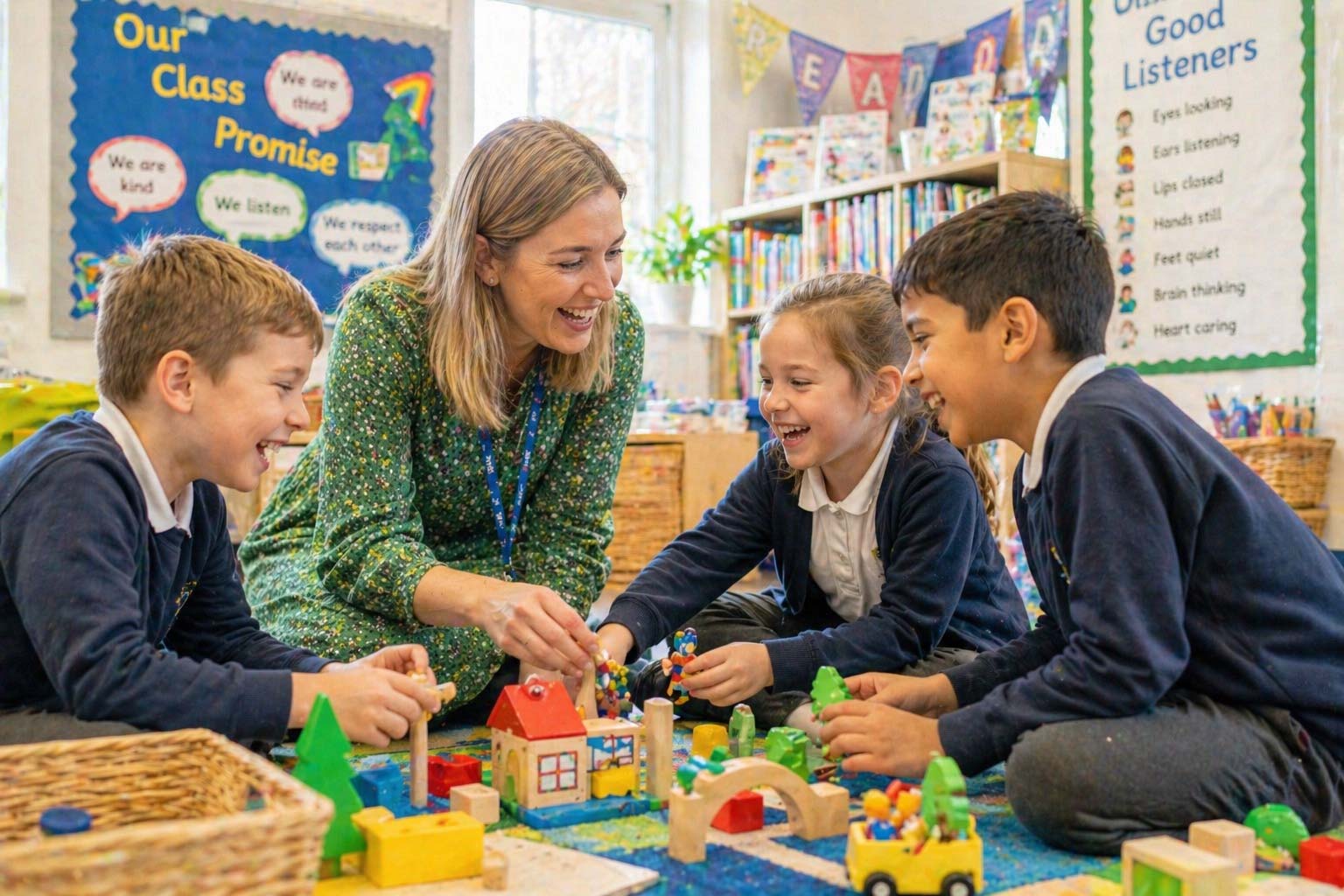
Speech, language, and communication skills underpin nearly every aspect of learning and wellbeing. Children use these skills to:
- Understand instructions
- Build relationships and engage with others
- Express emotions
- Develop crucial literacy and oracy skills
- Access the curriculum
- Regulate behaviour
When communication needs go unnoticed, children may be labelled as inattentive, disruptive, shy, or lacking ability. In reality, the root issue may be difficulty or a difference in understanding language or expressing themselves.
Supporting the development of communication skills, and identifying communication difficulties/differences, early is one of the strongest examples of upstream practice.
How Elklan training supports upstream thinking
Elklan training equips practitioners and families with practical strategies to support speech, language, and communication development in everyday settings. Rather than relying solely on specialist intervention, it builds confidence and capability among the adults who work with children daily.
1. Early identification of need
Elklan training helps staff recognise signs of speech, language, and communication difficulties/differences sooner. This means concerns can be addressed earlier, when support is often most effective.
Instead of waiting until impacts become severe, staff can notice patterns such as:
- Difficulty following instructions
- Limited vocabulary
- Social communication challenges
- Delayed sentence development
- Communication frustration
Early awareness and action change outcomes.
2. Universal strategies for all learners
One of Elklan training’s strengths is its focus on strategies that benefit every child, not only those with diagnosed needs. These include:- Clearer classroom language
- Visual supports
- Structured routines
- Vocabulary teaching
- Better questioning techniques
- Time to process information
This universal approach reflects upstream thinking perfectly, strengthen the environment so fewer children struggle in the first place.
3. Reducing behavioural and emotional needs
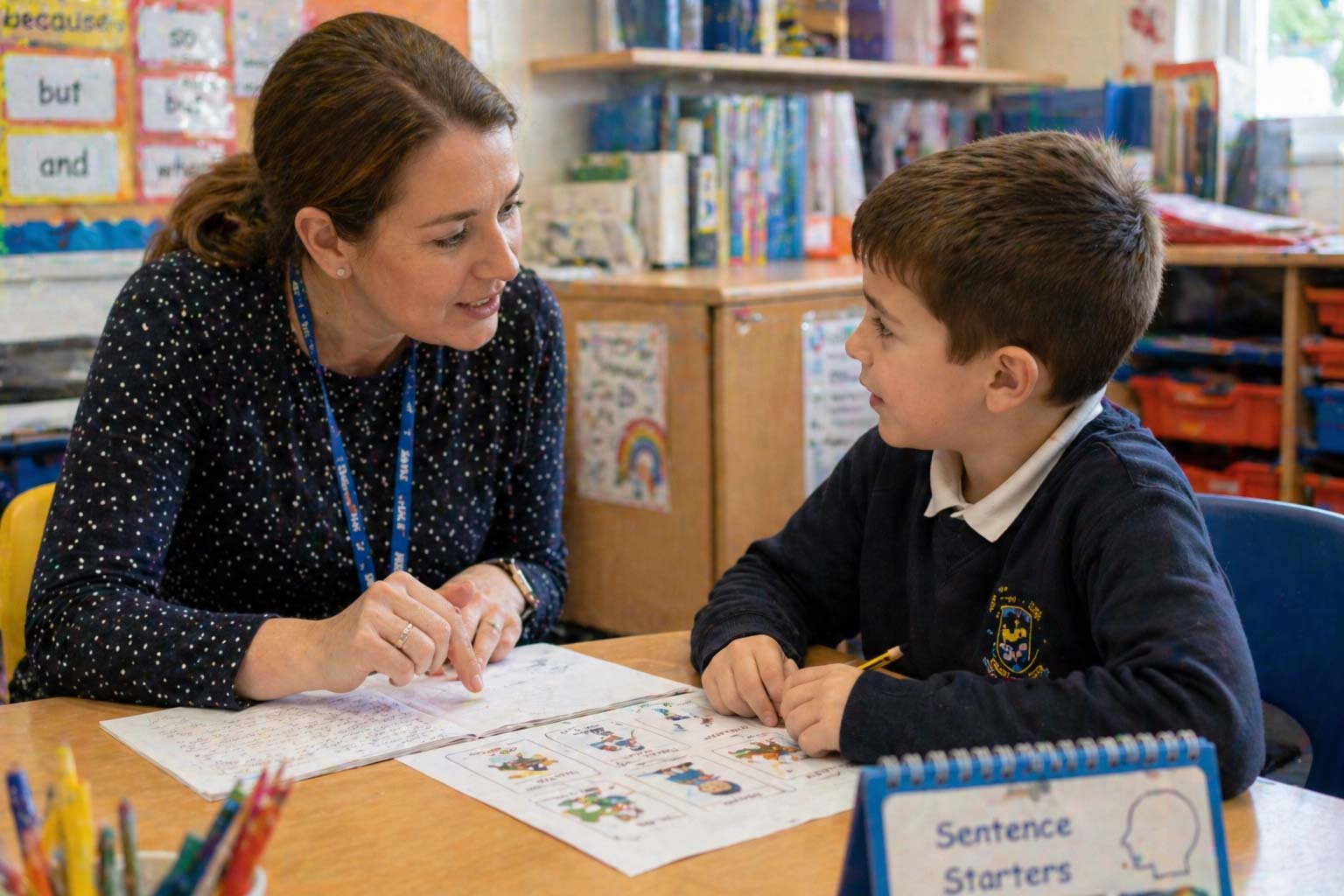
Many behaviour needs are rooted in unmet or unidentified communication needs. A child who cannot understand, negotiate, explain, or ask for help may communicate distress through actions instead of words.
By improving staff understanding of communication skills and development, Elklan training can help teams respond more effectively and reduce preventable escalation.
4. Supporting Inclusion
Upstream systems are inclusive systems. When communication-friendly practices are embedded across a setting, children with additional needs are less likely to be excluded from learning, friendships, or participation.
Elklan training encourages practitioners to adapt environments and interactions rather than expecting children to simply ‘fit in’.
5. Building workforce confidence
Specialist services are valuable, but they cannot be everywhere all the time. Upstream thinking depends on confident frontline staff who know how to respond early and appropriately.
Elklan training empowers teachers, teaching assistants, nursery staff, and wider professionals with practical tools they can use immediately.
The long-term impact
When communication support happens upstream, the benefits can be wide-reaching:
- Improved readiness for learning
- Better literacy outcomes
- Stronger relationships
- Increased confidence
- Fewer incidents of dysregulation
- More accurate referrals when needed
- Greater staff confidence
- Better life chances for children
These are not small gains—they are foundational ones.

A Shift from reaction to prevention
Many schools/settings feel stretched because so much energy is spent reacting to needs once they have intensified. Elklan training supports a different model: one where adults spot barriers early, adapt practice quickly, and create communication-rich environments from the outset.
That is upstream thinking in action.
Final Thoughts
If we want better outcomes for children, we need to look beyond intervention alone and invest in prevention. Communication is central to participation, engaging in learning, wellbeing, and inclusion, making it one of the smartest places to focus upstream efforts.
Elklan training supports that shift by giving practitioners the knowledge and strategies to act early, respond effectively, and build settings where more children can succeed before they reach crisis point.
In a system often pulled downstream, this kind of upstream investment matters.
Beth Devereux, Professional Education Advisor, Elklan Training Ltd
For further information visit the Elklan website www.elklan.co.uk or email beth@elklan.co.uk to discuss how we can support your school, setting or trust.